A New Museum In Greece You Should Visit
Tucked beside olive groves west of Nafpaktos, the Bee Museum rises quietly among village lanes. Not just another display case behind glass, it pulls people into buzzing stories where hives breathe history. Step inside, surroundings shift – wooden tools whisper old rhythms of tending colonies. Instead of labels alone, scents drift through air: wax, thyme, sun–warmed propolis. Each corner holds moments stitched by time, hands shaping craft across generations. While some museums freeze relics, this one hums with presence.
Not like old–style museums stuck on relics or dusty artifacts, this place hums with activity where learning mixes with touch, sound, smell, and real–time views of bees at work. From the moment you step in, insight grows – not through lectures but by doing, seeing, noticing. One goal stands clear: show how bees shape nature’s balance, tie into human life, and quietly hold up entire living systems without fanfare. Each exhibit nudges curiosity, linking small details to big truths about survival, interdependence, fragility. You leave knowing more than facts – you feel the weight of their absence if they vanish.
Few places let you step inside ideas like this one does. Inside, understanding grows through doing instead of only watching. Learning breathes here where thoughts mix with touch, movement, moments. What happens when discovery feels alive? This place answers without words.
Visitors encounter:
- Step inside. Old wooden hives stand beside worn gloves, rusted smokers resting nearby. Tools once held by hands who knew the quiet rhythm of hives now sit still. Smoke marks on a metal scraper tell of cold mornings prepping for swarm season. Wooden frames, wax–stained and uneven, show how bees shaped space long before modern boxes arrived. Jars without labels hold residue – pollen dust, bits of comb. Each item grew from need, not design. Years pressed into splintered handles, bent tins, cracked glass. This is what care looked like when measured in honey flow, not profit.
- Interactive Experiences: Displays designed to guide visitors through the life, structure, and role of bees.
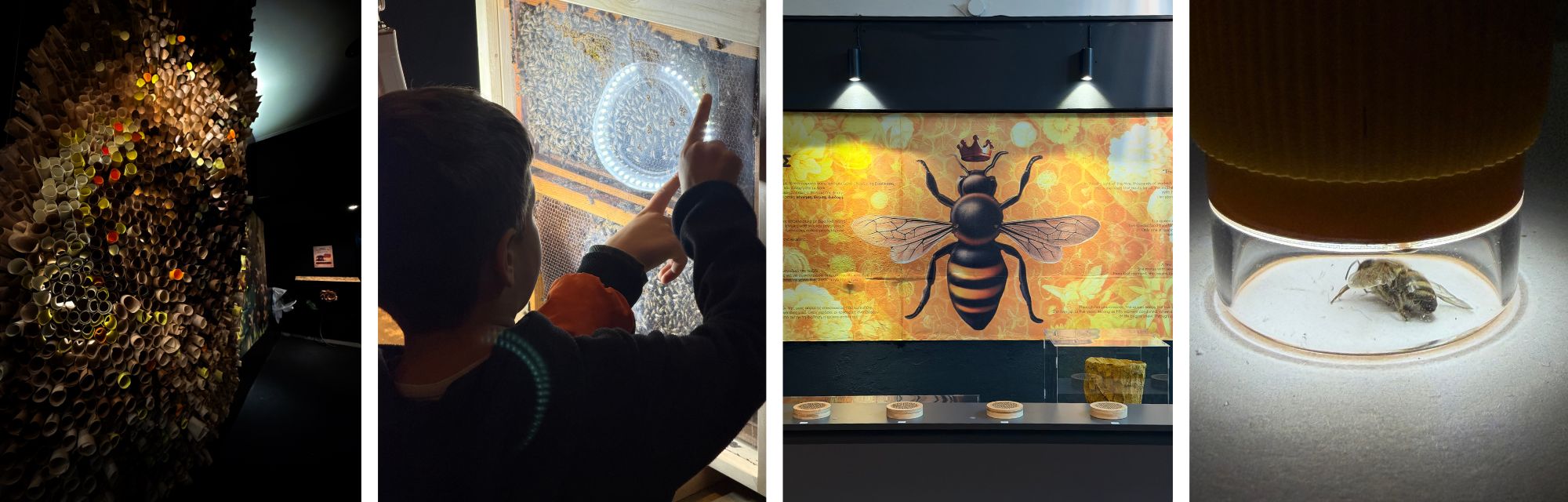
- A glass–enclosed hive lets visitors watch bees at work without risk. Inside, they shape wax into neat patterns while sharing signals through tiny movements. Their daily routines unfold like clockwork, each bee playing a role. You see them tending young, storing food, shifting positions. The group stays busy, always adjusting. Close viewing reveals how precisely they cooperate. No barriers block sightlines, just clear panels separating observer from swarm.
- Young or old, everyone gets a route built just for them. School trips fit right in, mixing facts with hands–on moments. Each step pulls learning off the page. Real doing shapes how ideas stick. Paths shift based on who’s walking them. Knowledge links to action, not just listening. Experience guides understanding more than words alone.
Visitors leave knowing more than when they arrived – families find things to do together, students stumble on ideas worth exploring, travelers discover quiet moments, while those who love open spaces breathe easier here.
Bee Life and the World Around Them
Beyond just buzzing insects, bees take center stage at this museum. Life on our planet leans heavily on their quiet work. Instead of standing apart, science blends with stories handed down through generations. What emerges is a picture where nature and people influence each other. Through displays shaped by both facts and customs, importance unfolds slowly. Not loud or flashy, yet impossible to ignore
- Bees’ role in pollination and food security
- The biological structure and social behavior of bee colonies
- How honey, wax, pollen, royal jelly, and other products are produced
- The evolutionary and cultural history of honey gathering and beekeeping
Looking wide gives the museum a role in showing how people rely on pollinators, while also highlighting why varied life matters.
Exhibits Making Knowledge Real
The Bee Museum’s exhibits are curated to enlighten and engage:
1. Beekeeping Tools and Traditions
Walking through, you see old tools first carved by hand, then later ones shaped by machines, each telling how people have worked alongside bees across generations. A clay pot here, a wooden hive there, both whispering of summers past when smoke and patience guided the hives. Metal frames appear next, sleek but quiet, standing after centuries of trial, revealing shifts not in purpose, but method. These objects, lined up like stories, show care passed down without words, just practice. Each piece fits into a long chain where hands shape what bees build, again and again.
2. Live Observation Hive Experience
A glass-enclosed colony gives people a close look at bees going about their daily tasks. From behind the pane, onlookers watch as workers gather sweet liquid, shape wax into patterns, while tending the inner framework of their home.
3. Artistically Inspired Honeycomb
Inside the museum sits a big sculpture shaped like honeycombs, made from reused stuff. This piece connects creativity with nature lessons. It stands as a quiet symbol at the heart of the space. Not just artwork – its presence reminds visitors about earth choices. Material history blends into form here. Each cell reflects thought, not just design.
Facts fade, yet moments stick – these displays pair research with visual appeal so people recall how it felt, not only what they saw. Instead of dry detail, there’s shape, color, meaning layered into each view. Memory holds onto feeling more than data, and that’s where these exhibits find their mark.
Educational Focus on Schools and Young Learners
A visit here sparks interest through hands–on learning, especially for children and school outings. Because activities draw kids into topics like plants, insects, and Earth care, attention stays focused without feeling forced. For families planning a day out or teachers arranging group time away from classrooms, the space fits smoothly into any schedule.
Bee Museum stands out among new attractions in Greece
A visit here feels different right away – something about the way light hits the honeycombs makes you pause. Because of how it pulls you in, the Bee Museum stands apart from most others. One reason people keep coming back? It shows life through tiny wings, up close. Another draws you in slowly – the air carries a faint hum, almost like memory. Since every corner shifts your view, there’s no single way to walk through it
- Hands-on learning and sensory experiences
- Connecting environmental science with cultural heritage
- Suitable for all ages
- Convenient location near Nafpaktos to complement regional travel itineraries
A tale unfolds here – not of ancient ruins, but of wings humming through present–day lessons. Instead of stone relics, there’s movement, small bodies at work shaping quiet understanding. This place trades dust for breath, showing how people lean into rhythm with something older than monuments. Stories grow not from empires, but from hives tucked quietly beneath notice until now.
Visitor Info And Helpful Hints
Over by Malamatia Doridos, close to Nafpaktos, sits the museum. Step inside where hands–on exhibits wait along with real beehives humming quietly nearby. Information panels help explain what you see during your walk through. Details about opening times and entry fees sit waiting on site, posted clearly. When school classes come, arranging things ahead brings extra value – guides lead special sessions that fit their learning pace.
New Museum Leaves Lasting Impression on Greece Visitors
Inside an old stone house in Nafpaktos, buzzing softly behind glass cases and touchscreens, lives The Bee Museum. Not your usual quiet gallery – this one hums with motion, light, sound. Instead of just reading plaques, people slide fingers across screens to follow bee paths or tilt mirrors to catch sunlight like pollen drifts. Because it shows how tiny actions ripple outward, visitors start noticing links between plants, insects, weather. After walking through, many pause outside, watching real hives nearby, seeing them differently now. What seemed small before feels vital. Balance isn’t abstract here – it’s built from wings, nectar flow, soil health. Leaving, some carry questions more than facts.
Starting with kids or going solo, this spot fits just right into your plans. Not only is it full of learning, yet feels personal somehow. One moment you’re looking at old tools, next you’re thinking about how life changed. Even if history usually bores you, here it sticks. Time slows down inside these rooms. Meaning leaks through the displays without shouting. Skip it and you’d miss more than facts – you’d skip feeling connected.
More info HERE
Ready to join the elite group of travelers discovering Greece on their own terms? We invite you to explore our bespoke travel packages for more inspiration. If you desire a personalized plan, please contact our luxury travel experts today.
Before you book your session, make sure to check the weather forecast for Greece to ensure a clear sky.