Greece is famous for its sun-kissed islands, but its dense forests and unique microclimates hold a hidden, earthy treasure. Mushroom picking in Greece has evolved from a local tradition into a world-class culinary experience. Whether you are a seasoned “mycophile” or a curious traveler, foraging for wild mushrooms and truffles offers a unique way to connect with the Greek countryside.
Why Greece is a Foraging Paradise
Thanks to its diverse terrain—ranging from alpine fir forests to humid riverbanks—Greece is home to over 2,400 species of fungi. While only about 150 are edible, the quality of Greek wild mushrooms is considered among the best in Europe.
Top Destinations for Mushroom Hunting
1. Grevena: The “Mushroom Capital”
If you only visit one place, let it be Grevena. Located in Western Macedonia, this city has officially embraced the mushroom as its symbol.
-
What to find: Porcini (Boletus edulis), Chanterelles, and Morels.
-
Highlights: Visit the Mushroom Museum in Lavda and look for the sculptural mushroom clusters decorating the town squares.
2. Meteora: Truffles beneath the Rocks
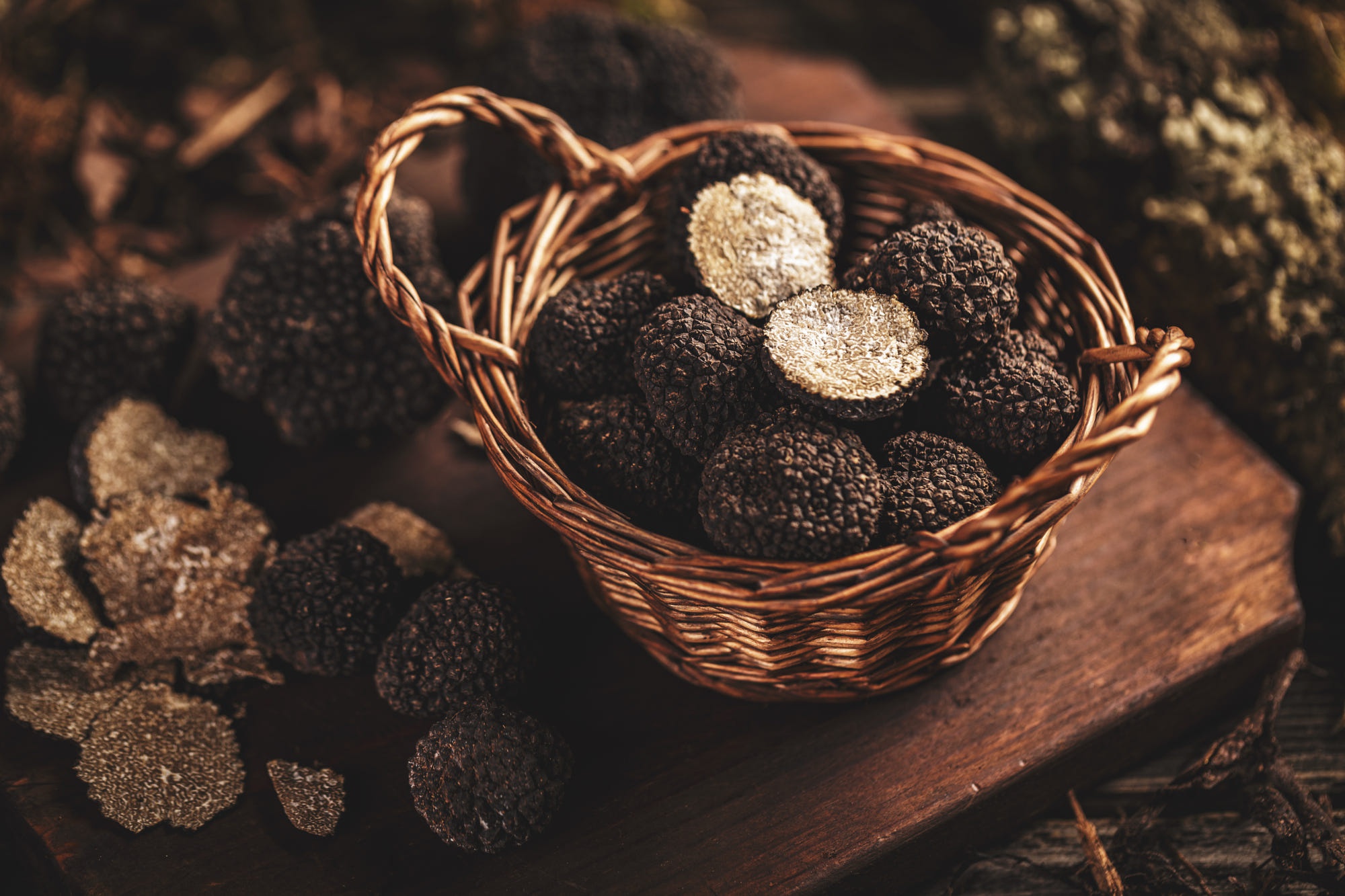
Meteora isn’t just for monasteries. The woodland at the foot of the giant rocks is prime territory for truffle hunting in Greece.
-
The Experience: Many local operators offer guided tours where trained truffle dogs lead the way.
-
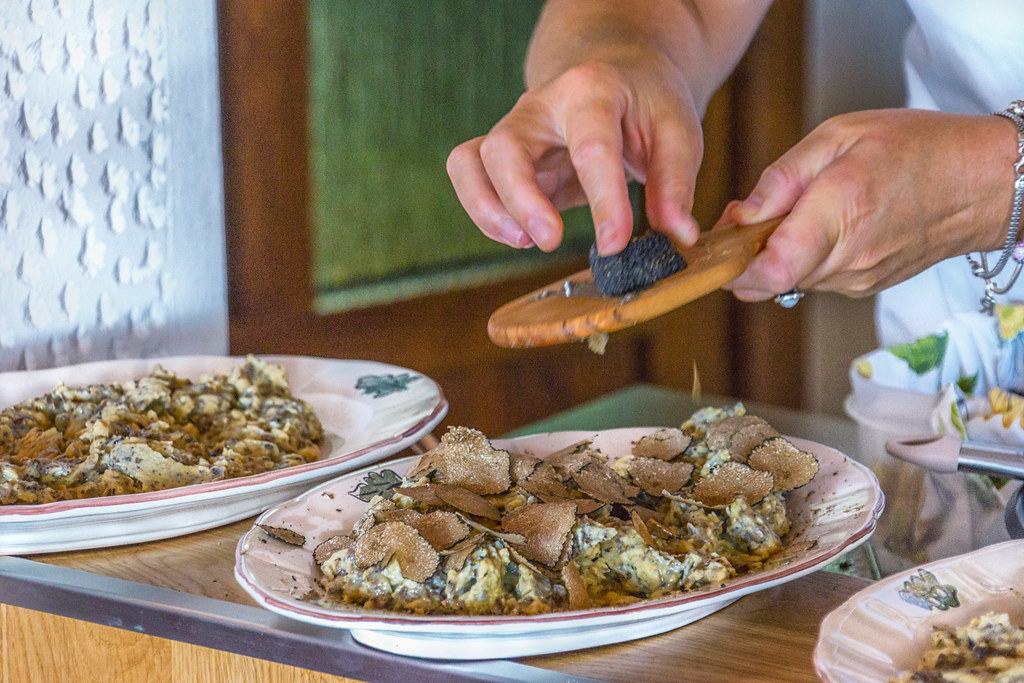
The Reward: Most tours end with a “truffle pasta” cooked right in the forest using the day’s fresh finds.
3. Zagori and Valia Calda
The Pindus mountain range offers a damp, cool environment perfect for fungi. The “Warm Valley” (Valia Calda) stays productive even when other regions freeze, making it a hotspot for rare species like the Tricholoma matsutake.
The Golden Rules of Safe Foraging
Mushroom hunting is exhilarating, but it requires caution. To ensure a safe and enjoyable experience, follow these guidelines:
-
Never Eat Unknown Fungi: The old saying goes, “All mushrooms are edible, but some only once.” Never consume a mushroom unless it has been identified by an expert.
-
Hire a Local Guide: Foraging with a professional is the best way to learn the difference between a delicious Chanterelle and a toxic “Look-alike.”
-
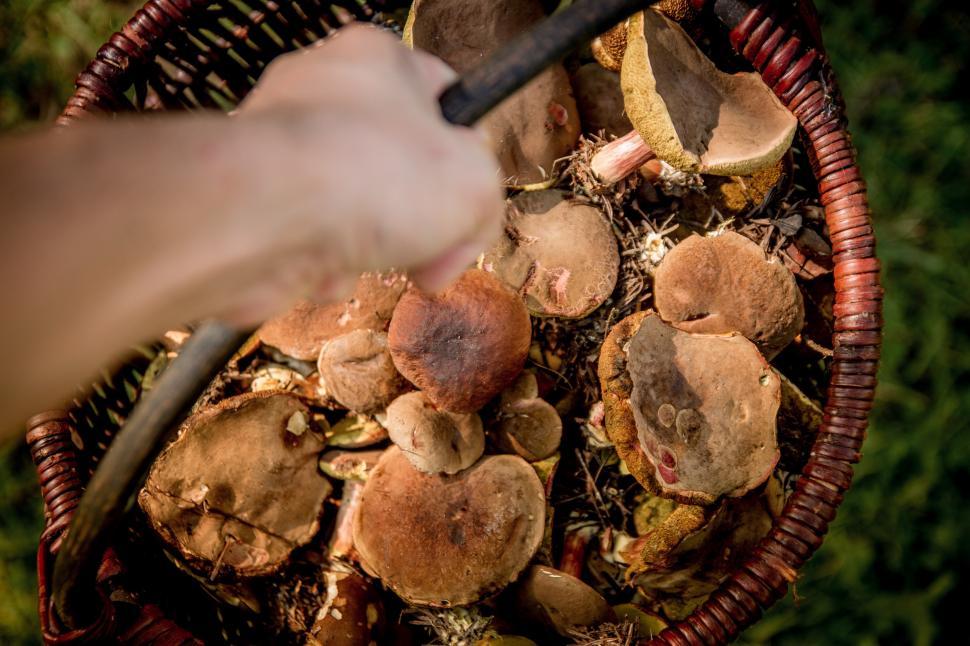
Respect the Ecosystem: Use a knife to cut the mushroom at the base rather than pulling it out. This protects the mycelium (the “root”) so more can grow back.
-
Use a Wicker Basket: Never use plastic bags. A basket allows spores to fall through the gaps as you walk, helping the forest regenerate.
Savoring the Bounty: From Forest to Table
Greek cuisine treats wild mushrooms with deep respect. After a successful hunt, you can enjoy:
-
Mushroom Soup: A hearty, earthy winter staple.
-
Grilled Pleurotus: Simple, with olive oil and lemon.
-
Wild Mushroom Risotto: Often enhanced with a few drops of Greek truffle oil.
-
Spoon Sweets: In Grevena, you can even find mushrooms preserved in syrup—a unique Greek delicacy!
Plan Your Foraging Adventure
-
Best Time to Go: Autumn (September to November) is the peak season, though spring (March to May) offers beautiful Morels.
-
What to Bring: Waterproof boots, a light rain jacket, a dedicated mushroom knife, and a camera to capture the stunning Greek forests.
Are you ready to discover the “black gold” of the Greek earth? Join a guided truffle hunt and taste the wild side of Greece!
Are you ready to plan your 2026 escape? Lets design together – Contact Us
Before you book your session, make sure to check the weather forecast for Greece to ensure a clear sky.
For more inspiration on unique experiences, explore our latest Greece travel stories and guides.