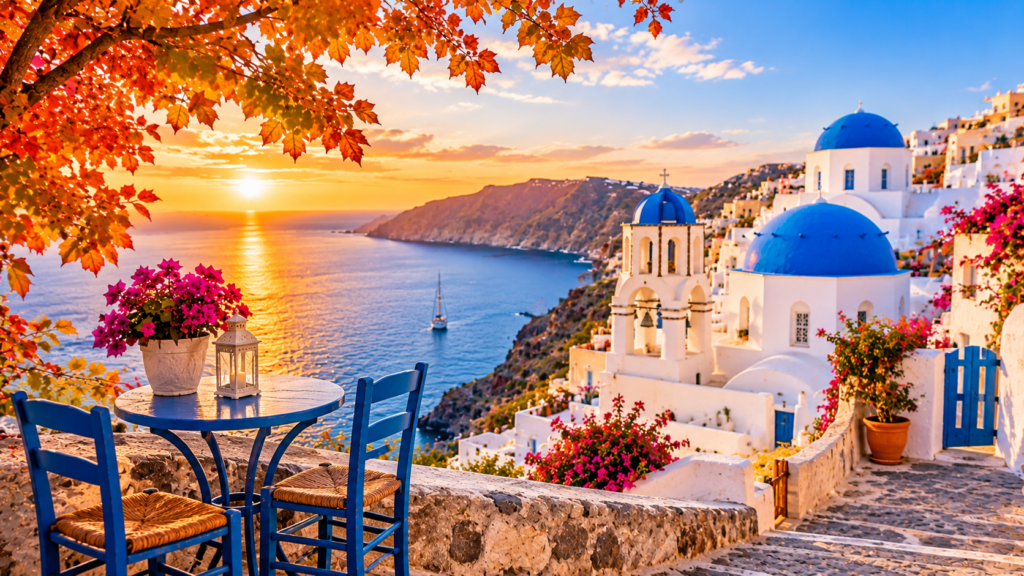
Visiting Greece for the first time? This practical 7-day itinerary combines the ancient wonders of Athens with the beaches, villages and relaxed island atmosphere of Naxos, without trying to squeeze too much into one week.
Featured image: The Acropolis of Athens in the foreground with the Aegean Sea or a Greek island landscape in the background, illustrating the combination of ancient history and island life.
Image alt text: Greece 7-day itinerary featuring the Acropolis in Athens and the Greek island landscapes of the Cyclades.
Greece for First-Time Visitors: A Realistic 7-Day Itinerary
Planning your first trip to Greece can feel overwhelming. Should you visit Athens, Santorini, Mykonos or Crete? How many islands can you fit into one week? Is it better to travel by ferry or plane? And how can you experience the country’s history, food and culture without spending your entire holiday moving between destinations?
The secret is to resist the temptation to see everything at once.
Greece is a country of remarkable contrasts. In Athens, ancient monuments stand above lively neighbourhoods filled with cafés, markets and traditional tavernas. On the islands, whitewashed villages, sandy beaches, fishing harbours and local food traditions offer a different rhythm of life.
For first-time visitors, we recommend combining Athens with one Greek island. This gives you a taste of ancient Greece and modern city life, followed by time to enjoy the sea, local cuisine and island culture.
In this guide, we share a realistic seven-day Greece itinerary featuring Athens and Naxos, including what to see each day, how to get around, where to focus your time and how to make the most of your first visit.
At a glance: your 7-day Greece itinerary
| Day | Destination | Main experiences |
|---|---|---|
| Day 1 | Athens | Arrival, Plaka and a relaxed first evening |
| Day 2 | Athens | Acropolis, Acropolis Museum and historic neighbourhoods |
| Day 3 | Athens to Naxos | Ferry journey, Chora and sunset at the Portara |
| Day 4 | Naxos | Villages, local food and inland landscapes |
| Day 5 | Naxos | Beaches, coastal villages and a relaxed island day |
| Day 6 | Naxos to Athens | Return ferry and final evening in Athens |
| Day 7 | Departure | Breakfast and onward travel |
This itinerary assumes six nights in Greece: two nights in Athens before travelling to Naxos, three nights on Naxos, and one final night in Athens.
If you have an early international flight, returning to Athens the previous day is a sensible precaution. Ferry schedules can change with the season and weather, so avoid relying on a same-day island-to-international-flight connection.
Why choose Athens and Naxos?
Athens provides the essential introduction to Greek history and culture. You can visit the Acropolis, explore ancient streets, discover museums and enjoy the city’s food scene.
Naxos offers a different experience. It combines beaches, traditional villages, agricultural landscapes, local cheeses and a historic main town. Compared with the most expensive and crowded island destinations, it can also offer a more varied holiday, depending on your dates and accommodation choices.
This combination gives first-time visitors a balanced introduction to Greece without the stress of changing islands every day.
Day 1: Arrive in Athens and discover the city’s historic centre
Your first day should be about settling in, getting your bearings and enjoying your first taste of Greece.
After arriving at Athens International Airport, transfer to your hotel and allow some time to rest. Depending on your arrival time, you may have the whole afternoon or only a few hours to explore.
Explore Plaka
Begin in Plaka, one of Athens’ best-known historic neighbourhoods. Its narrow streets, neoclassical buildings, small shops and traditional restaurants create a welcoming introduction to the city.
Walk towards Anafiotika, a small neighbourhood beneath the Acropolis with whitewashed houses and narrow lanes. It offers a different atmosphere from the busy streets around central shopping areas.
Take your time. The first day is not the moment to rush through a long list of museums and monuments.
Continue to Monastiraki
From Plaka, walk towards Monastiraki Square and explore the surrounding streets. You will find cafés, shops, market stalls and views towards the Acropolis.
If you enjoy food, consider stopping for a Greek coffee, a pastry or a simple souvlaki. It is an easy way to begin discovering everyday Greek flavours.
Enjoy your first Greek dinner
For your first evening, choose a traditional taverna and try a selection of Greek dishes.
Depending on the season and the menu, you might look for:
- Greek salad with tomatoes, cucumber, olives and feta.
- Tzatziki with fresh bread.
- Grilled vegetables or seasonal greens.
- Souvlaki or grilled fish.
- A regional dish prepared with local ingredients.
Ask what is fresh and seasonal rather than ordering only familiar dishes.
Travel tip: Stay somewhere central and well connected for your two nights in Athens. Being able to walk to restaurants and major sights will make a short stay much easier.
Day 2: Visit the Acropolis and explore ancient Athens
Today is dedicated to the historical heart of Athens.
The Acropolis is one of the most important archaeological sites in Greece. Its monuments, including the Parthenon and Erechtheion, overlook the modern city and tell the story of ancient Athens.
Morning: the Acropolis
Start early, particularly if you are visiting during the warmer months.
Allow around two to three hours for the Acropolis and its monuments, depending on your pace and interest in history. The site involves walking on uneven and sometimes slippery surfaces, so wear comfortable shoes and bring water.
Check official opening hours and ticket requirements before your visit. Timed-entry arrangements and seasonal schedules may apply.
For visitors interested in understanding the site rather than simply taking photographs, a knowledgeable guide can explain the significance of the monuments, their historical context and the changes they have undergone over the centuries.
Late morning: the Acropolis Museum
After visiting the archaeological site, continue to the Acropolis Museum.
The museum provides important context for what you have seen on the hill, with sculptures, archaeological finds and exhibitions relating to the Acropolis and ancient Athens.
Allow around two hours, or longer if you enjoy archaeology and ancient art.
Visiting both sites on the same day is convenient because they are close to one another.
Afternoon: the Ancient Agora or a neighbourhood walk
If you still have energy, explore the Ancient Agora, once an important centre of public, political and commercial life in Athens.
Alternatively, spend the afternoon wandering through Thissio and the streets around the historic centre. There is no need to fill every hour with paid attractions.
A relaxed lunch and a coffee break can be just as important to the experience as another monument.
Evening: enjoy Athens after dark
Finish your day with dinner in a neighbourhood such as Koukaki, Psyrri or another area that suits your interests and accommodation.
Athens has a lively evening atmosphere, and dining is often a social occasion rather than something to rush through.
Travel tip: Book major attractions through official ticketing channels and check current prices and entry rules before your trip. For the Acropolis, consult the official Greek tourism guide.
Day 3: Travel to Naxos and enjoy your first island sunset
Today you leave the capital and head towards the Aegean Sea.
Naxos is part of the Cyclades, the island group known for its whitewashed architecture, blue-domed churches, dry hillsides and beautiful coastline.
Getting from Athens to Naxos
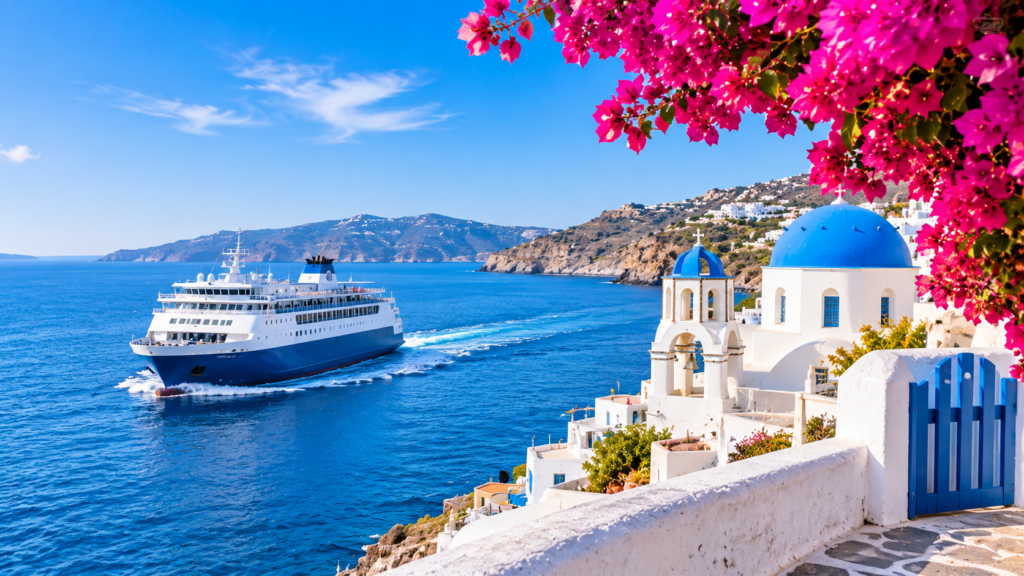
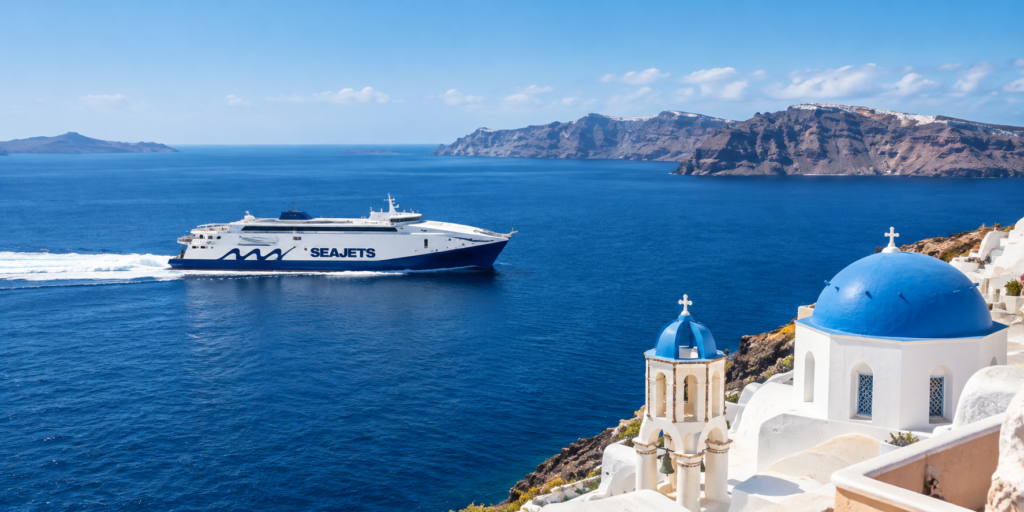
Ferries to Naxos generally depart from Piraeus, the main port of Athens. Depending on the service, your ferry journey may take several hours.
Travel times and departure schedules vary by vessel, route and season. Check the current timetable and ticket conditions before finalising your plans.
Allow enough time to reach the port from your accommodation, particularly if travelling during the summer.
If you prefer to save time, flights may also be available between Athens and Naxos on selected dates. Compare the total journey time, airport transfers and luggage allowances before deciding.
Arrive in Naxos Chora
After arriving, check in to your accommodation and take a walk through Naxos Chora, the island’s main town.
Explore the waterfront, small shops and narrow streets of the old town. You will notice a blend of Cycladic architecture and Venetian influences, particularly around the historic castle area.
The town is an excellent place to begin discovering Naxos at a relaxed pace.
Sunset at the Portara
One of the island’s most recognisable landmarks is the Portara, the monumental marble gateway associated with an ancient temple on the islet beside the harbour.
Visit in the late afternoon or around sunset, allowing enough time to walk there comfortably and enjoy the views.
It is a wonderful introduction to the island and a reminder that Greek history extends far beyond Athens.
Finish the evening with dinner at a local taverna. Look for seasonal vegetables, local cheeses, fresh seafood or dishes featuring the island’s agricultural produce.
Travel tip: For a short stay, accommodation in or near Naxos Chora can be convenient because it offers restaurants, shops and access to transport. If your priority is the beach, compare accommodation near the coast instead.
Day 4: Discover the traditional villages and local flavours of Naxos
One of the best reasons to visit Naxos is that the island offers much more than beaches.
Its inland villages, agricultural landscapes and local food traditions provide a glimpse of a different side of the Cyclades.
Visit a traditional village
Consider visiting Halki, a village in the island’s interior known for its traditional architecture and relaxed atmosphere.
Continue to Filoti, located beneath Mount Zas, or explore another village that fits your route and interests.
You will find a slower rhythm of life than in the busy harbour area. Depending on where you stop, you may encounter small cafés, local shops, churches and traditional houses.
Remember that villages are living communities, not simply tourist attractions. Respect residents’ privacy, especially when photographing homes or entering quiet residential streets.
Explore the island’s food culture
Naxos has a strong agricultural tradition, and its local products are part of what makes the island distinctive.
Look out for:
- Naxian cheeses, including varieties made from cow’s, sheep’s or goat’s milk.
- Potatoes grown on the island.
- Local meats and traditional cooked dishes.
- Seasonal vegetables and regional sweets.
- Local spirits and other regional products, where appropriate.
If you are interested in food, consider a guided culinary experience or a visit to a local producer. A well-organised visit can help explain how local ingredients, landscape and traditions are connected.
Enjoy a leisurely lunch
Rather than rushing between villages, plan a proper lunch at a traditional taverna.
Ask about the daily dishes and local specialities. Menus and availability vary by season, but this is a good opportunity to try something you may not find in an international restaurant.
Return to Chora
Spend the late afternoon back in the main town or relax at your accommodation.
You might browse local shops, enjoy a coffee or take another walk along the waterfront before dinner.
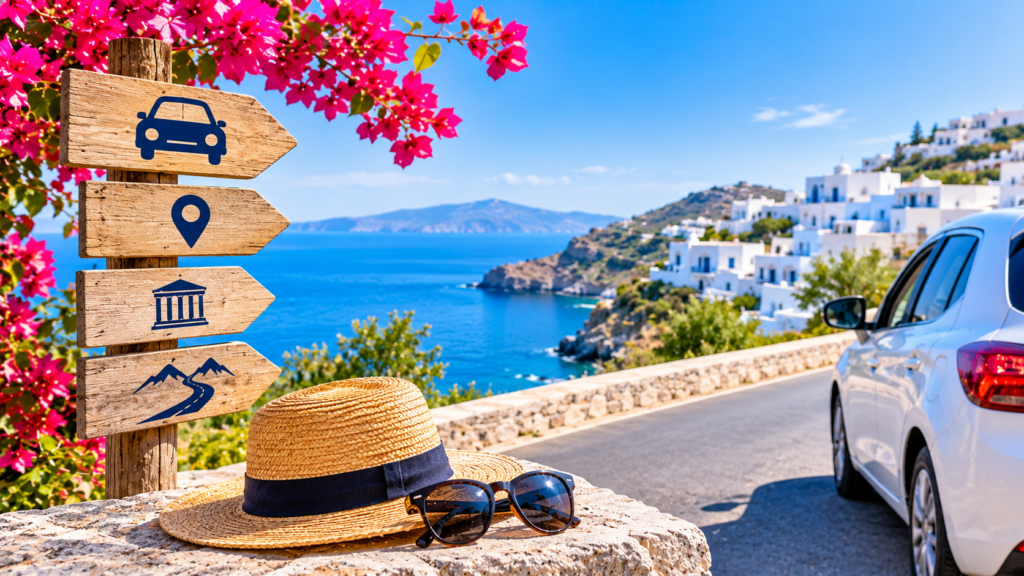
Travel tip: Public transport can connect some villages, but schedules may be limited depending on the season. A rental car or organised island excursion can make exploring the interior easier. Check the route before setting out.
Day 5: Enjoy the beaches and coastal scenery of Naxos
After two days of exploring towns, history and village life, use your fifth day to enjoy the coast.
Naxos is known for its long sandy beaches, making it a good choice for travellers who want time by the sea without giving up cultural experiences.
Choose a beach that suits your style
Depending on your accommodation and transport, consider beaches such as Agios Prokopios, Agia Anna or Plaka.
These coastal areas offer different combinations of sand, swimming, cafés, tavernas and seasonal beach services.
Conditions vary with the weather, wind and time of year, so check local information before swimming or planning a boat excursion.
Enjoy a slow Greek island morning
There is no need to schedule every part of the day.
Spend the morning swimming, walking along the beach or enjoying breakfast with a sea view. If you prefer active experiences, look into water sports or a boat excursion that operates on your travel dates.
Remember that some services are seasonal, and boat trips may be affected by wind or sea conditions.
Have lunch by the sea
Choose a coastal taverna for a relaxed lunch. Fresh fish, grilled vegetables and local dishes can be excellent choices, depending on the menu and availability.
If you want to manage your budget, compare menus before sitting down and check whether fish prices are quoted by portion or by weight.
Return to Naxos Chora
Spend your final evening on the island enjoying the town at your own pace.
You might revisit a favourite street, buy a locally made product or enjoy one last sunset by the harbour.
If you prefer a more active final day, you could instead arrange a guided excursion combining several coastal or inland stops. Just make sure it leaves enough time for a relaxed evening.
Travel tip: Do not plan to visit every beach on Naxos in a single day. Choose one or two areas and enjoy them properly rather than spending your holiday travelling between stops.
Day 6: Return to Athens for your final evening
Today you travel back to Athens.
Book a ferry that gives you sufficient time to reach the city and check in to your accommodation. If your international flight leaves early the next morning, staying in Athens is much safer than depending on a same-day ferry connection.
Once you arrive, you can choose how to spend your final evening based on what you enjoyed most.
Option 1: Explore a little more of Athens
If you enjoy history, visit an archaeological site or museum you missed earlier, provided opening hours allow.
If shopping interests you, explore central shopping streets and local markets.
Option 2: Enjoy a food-focused evening
Athens is a great place to finish a trip with a final Greek meal.
Consider a food walk, a guided tasting or a relaxed dinner featuring regional dishes. A local guide can help you discover specialities and neighbourhoods that might otherwise be easy to miss.
Option 3: Keep it simple
If the ferry journey has been tiring, enjoy a leisurely meal near your hotel and prepare for your departure.
There is no need to turn your final evening into another sightseeing marathon.
Travel tip: If you are travelling during a period of strong winds or other potential ferry disruption, build extra flexibility into your schedule. Check your ferry operator’s updates and keep your accommodation details accessible.
Day 7: Enjoy breakfast and depart from Greece
Your final morning should be simple and stress-free.
Depending on your flight time, enjoy breakfast at a local café, take a short walk or buy a few last souvenirs before heading to the airport.
Allow enough time for the journey from central Athens to Athens International Airport, especially during busy periods.
If you have a late flight, you may have time for a final museum visit or lunch, but avoid activities that could leave you rushing to the airport.
And if seven days has only made you want to see more of Greece, that is a good reason to start planning a second visit.
How much does a 7-day trip to Greece cost?
Your budget will depend on the season, accommodation standard, travel arrangements and the activities you choose.
For a seven-day Athens-and-Naxos itinerary, the following are broad illustrative budgets per person, assuming two people share a room.
| Expense | Budget style | Mid-range style |
|---|---|---|
| Accommodation | €180–€350 | €350–€650 |
| Food and drinks | €140–€220 | €220–€350 |
| Ferry or other intercity transport | €60–€140 | €80–€180 |
| Local transport | €30–€70 | €50–€120 |
| Sightseeing and activities | €40–€100 | €100–€250 |
| Estimated total | €450–€880 | €800–€1,550 |
These are planning estimates for the holiday on the ground, excluding international flights. They assume six nights, shared accommodation and a relatively simple itinerary. Actual ferry fares, hotel rates and attraction tickets should be checked for your dates.
A peak-season holiday, premium accommodation, private tours or extra excursions may increase the total substantially. Solo travellers may also pay more per person for accommodation.
For more detailed budgeting advice, read our guide to how much a trip to Greece really costs and update the link to the published article once it is live.
Practical tips for first-time visitors to Greece
A little preparation can make your first Greek holiday much easier.
1. Do not try to visit too many islands
Every additional island means another transfer, more planning and less time to relax. For a week-long trip, Athens and one island are a sensible combination.
2. Book important transport in advance
Ferries can become busy during peak summer, especially on popular routes. Check schedules and prices before booking accommodation that depends on a particular departure.
3. Check opening hours and ticket requirements
Major archaeological sites may have seasonal opening hours, timed-entry arrangements or changes to admission rules. Use official sources to plan your visits.
4. Wear comfortable shoes
Historic streets, archaeological sites and village lanes can be uneven. Bring shoes suitable for walking, as well as sun protection in warmer months.
5. Carry some water and plan breaks
Summer temperatures can be high, particularly when visiting exposed archaeological sites. Explore early where possible and take breaks during the hottest part of the day.
6. Learn a few Greek words
A simple kalimera (good morning), efcharisto (thank you) and parakalo (please or you’re welcome) can make everyday interactions more enjoyable.
7. Leave room for spontaneous discoveries
Some of the best travel moments happen when you are not following a strict schedule: an unexpected village café, a beautiful coastal walk or a conversation with a local producer.
When is the best time to follow this Greece itinerary?
The best time depends on your priorities.
May and June: These months can be excellent for sightseeing, walking and exploring villages. The weather is often warm, while the busiest summer period has not yet reached its peak.
July and August: Expect hot weather and strong demand at popular island destinations. Book accommodation and ferries early, and allow time for swimming and breaks from the heat.
September: This is an appealing month for many travellers because the sea is often still warm and the peak summer period has passed, although popular places can remain busy.
October: Athens can be pleasant for cultural sightseeing, but island services and seasonal businesses may reduce their schedules. Check ferry availability and beach facilities before travelling.
For this particular itinerary, late spring and September are often good starting points, provided the dates suit your flights, budget and interests.
Should you add Santorini or Mykonos to your first Greece itinerary?
Both islands are famous for good reasons, but adding either one to this seven-day plan means sacrificing time elsewhere.
Santorini is known for its volcanic landscape, caldera views and distinctive villages. Mykonos is famous for its lively atmosphere, beaches and historic Chora.
If visiting one of these islands is a personal priority, you can absolutely adapt the itinerary. However, avoid trying to combine Athens, Naxos, Santorini and Mykonos in only seven days unless you are comfortable with frequent transfers and a faster pace.
A useful alternative is to choose Athens plus Santorini for a more iconic first visit, or Athens plus Naxos for a balance of history, beaches, villages and local food.
There is no single best Greek island for everyone. The right choice depends on whether you prioritise scenery, nightlife, culture, family activities, food or a relaxed pace.
Frequently asked questions about visiting Greece for the first time
Is seven days enough for Greece?
Yes. Seven days is enough for a rewarding introduction to Greece if you focus on Athens and one island or mainland region. It is not enough to explore the entire country, so choose destinations that fit your interests and travel pace.
Should I visit Athens or the Greek islands first?
If your international flight arrives in Athens, it is usually practical to spend the first part of your trip in the city and then travel to an island. This allows you to explore the Acropolis and historic centre before moving on to the coast.
Which Greek island is best for first-time visitors?
There is no universal answer. Naxos is a strong option for travellers who want beaches, villages, local food and a historic main town. Santorini is particularly appealing for volcanic scenery and caldera views, while Crete offers a much larger range of landscapes and activities but generally deserves more time.
Can I visit Greece without renting a car?
Yes. Athens is well served by public transport, and some islands have bus networks connecting their main towns and popular beaches. A car is useful for exploring remote villages and less accessible areas, but it is not essential for every itinerary.
Is Greece safe for first-time visitors?
Greece is a popular destination for international travellers. As in any busy tourist destination, keep an eye on your belongings, use reputable transport services and follow local advice. During hot weather, take precautions against heat and sun exposure, and check official information about any local disruptions.
What should I book before travelling to Greece?
Prioritise international flights, accommodation and essential ferry journeys, particularly in peak season. Reserve timed-entry tickets for popular archaeological sites when required. Book guided experiences in advance if they are central to your plans, but leave some free time for spontaneous discoveries.
Is it better to travel around Greece independently or with a tour?
Independent travel offers flexibility and works well when destinations are easy to connect. Guided or tailor-made trips can be useful when you want local context, private transport, specialised experiences or a route planned around several interests. The best option depends on your budget, confidence and available time.
Experience Greece beyond the usual checklist
Your first trip to Greece does not need to include every famous island or ancient site to be unforgettable.
A few days in Athens can introduce you to the country’s remarkable history, lively neighbourhoods and food culture. Time on Naxos can show you another side of Greece, from traditional villages and local products to sandy beaches and relaxed evenings by the sea.
The most rewarding itinerary is not necessarily the one with the most destinations. It is the one that gives you time to appreciate the places you visit.
At Travel-me.gr, we believe that Greece is best experienced through a combination of iconic landmarks, local knowledge, regional food and genuine cultural encounters.
Planning your first visit to Greece? Explore our travel guides and curated experiences, or contact us to discuss a tailor-made itinerary based on your travel dates, interests and budget.
Whether you dream of discovering ancient Athens, tasting regional Greek cuisine or exploring the villages and beaches of the islands, we can help you start planning a trip that feels right for you.
Ready to join the elite group of travelers discovering Greece on their own terms? We invite you to explore our bespoke travel packages for more inspiration. If you desire a personalized plan, please contact our luxury travel experts today.
Before you book your session, make sure to check the weather forecast for Greece to ensure a clear sky