
If you truly want to experience Greece beyond its beaches and iconic landmarks, attending a greek festival, known locally as a panigyri, is essential. These vibrant celebrations combine religion, music, food, and community spirit, offering visitors a unique glimpse into authentic Greek culture.
From May through September, villages across the Cyclades, Crete, Ikaria, and mainland Greece come alive with traditional music, dancing, and feasting that often lasts until sunrise. Each region brings its own character, flavors, and customs to these unforgettable events.
What is a Greek Festival (Panigyri)?
A panigyri is typically held in honor of a patron saint, usually on their feast day. While rooted in religious tradition, today’s greek festival is just as much about social gathering and cultural expression.
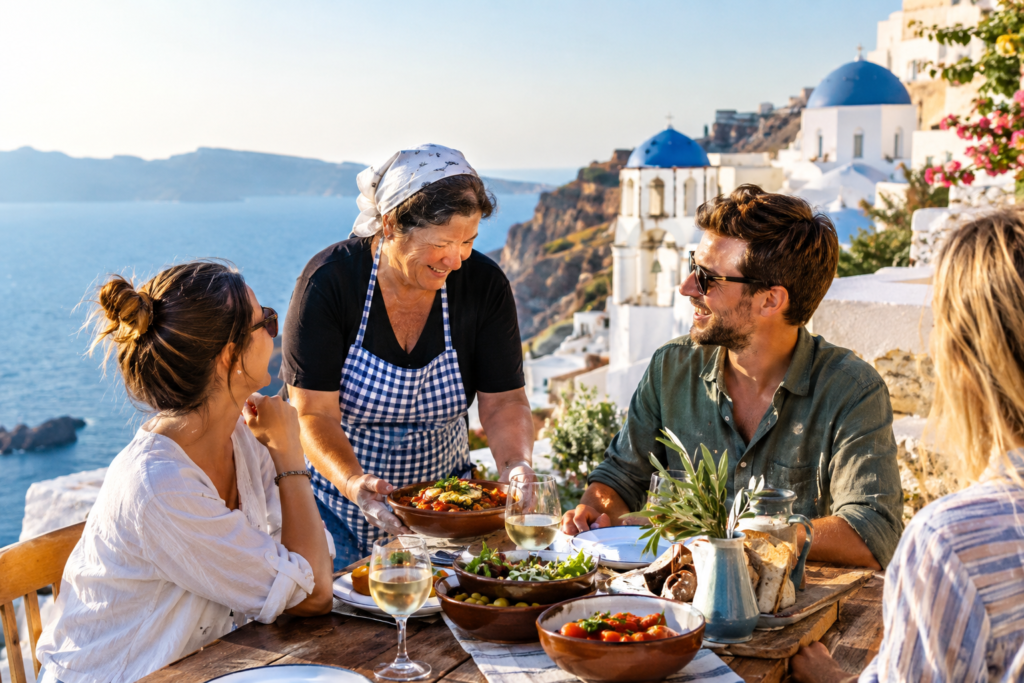
Expect long communal tables, live folk music played with instruments like the violin and lute, and plenty of local wine flowing freely. Locals and visitors alike join hands in circle dances, creating an atmosphere that feels both timeless and welcoming.
Cyclades Greek Festivals (Panigyria)
Tinos
-
August 15 – Feast of the Virgin Mary (Panagia Evangelistria), Tinos Town
The most important religious greek festival in the Cyclades. Pilgrimage during the day, followed by celebrations, food, and music across the island. -
July 26 – Agia Paraskevi, Kambos village
Traditional music, local dishes, and a lively village atmosphere.
Naxos
-
June 24 – Agios Ioannis (Klidonas), Apeiranthos & Filoti
Fire rituals, music, and dancing mark this midsummer greek festival. -
August 15 – Panagia, Filoti village
One of the biggest panigyria on the island with thousands attending. -
September 8 – Panagia, Danakos village
A more traditional and less crowded celebration.
Paros
-
August 15 – Panagia Ekatontapiliani, Parikia
Major religious celebration followed by seaside festivities and fireworks. -
July 6–7 – Agia Kyriaki, Alyki
Known for fresh fish, local wine, and dancing by the sea.
Ios
-
August 15 – Panagia Gremiotissa
Celebrations begin after sunset with music and panoramic views.
Crete Greek Festivals (Panigyria)
Chania Region
-
June 29 – Agios Petros & Pavlos, various villages
Traditional feasts with Cretan music and dance. -
August 15 – Panagia, throughout Chania villages
One of the largest greek festival dates across Crete.
Rethymno Region
-
July 26 – Agia Paraskevi, Margarites village
Combines pottery traditions with music and food. -
August 6 – Metamorfosi Sotiros, villages across Rethymno
Religious ceremony followed by all-night celebration.
Heraklion Region
-
July (dates vary) – Wine Festival, Dafnes village
A multi-day greek festival dedicated to wine, with concerts and tastings. -
August 15 – Panagia, Archanes village
Known for excellent food, wine, and large crowds.
Anogeia (Psiloritis)
-
August 13–15 – Anogeia Cultural Festival
A stronghold of Cretan music traditions with performances and panigyri-style celebrations.
Ikaria Greek Festivals (Famous Panigyria)
Ikaria is synonymous with the ultimate greek festival experience.
-
July 20 – Prophet Elias (Profitis Ilias), various mountain locations
Music, grilled meats, and wine with incredible views. -
August 6 – Christos Raches
One of the most famous panigyria, lasting until sunrise (or later). -
August 15 – Panagia, multiple villages
Large-scale celebrations across the island. -
Every weekend in July & August – Various villages (Faros, Armenistis, Evdilos)
Ikaria hosts continuous festivals, often announced locally.
Mainland Greece Greek Festivals
Epirus (Zagori & Ioannina region)
-
July–August (varies by village)
Weekly panigyria in villages like Papingo, Monodendri, and Tsepelovo. Known for clarinet music and traditional dances.
Peloponnese
-
August 15 – Panagia, across the region (e.g., Leonidio, Kardamyli)
One of the biggest greek festival dates nationwide. -
June 23–24 – Klidonas (Fire Festival), Nafplio & coastal towns
Bonfires, music, and dancing.
Central Greece (Sterea Ellada)
-
May 21 – Saints Constantine & Helen, various towns
Early-season greek festival with religious and cultural significance. -
July 20 – Prophet Elias, mountain chapels
Popular summer celebrations with panoramic settings.
What to Expect at a Greek Festival
No matter where you go, a greek festival shares some core elements:
-
Live traditional music (violin, clarinet, lute)
-
Circle dancing where everyone can join
-
Local food such as grilled meats, pies, and regional specialties
-
Wine and spirits flowing generously
-
Community atmosphere welcoming all ages
Visitors are always welcome—no invitation needed. Simply show up, grab a seat, and join the celebration.
Tips for Attending a Greek Festival
-
Arrive late: Most festivals start around 9–10 PM and peak after midnight
-
Bring cash: Food and drinks are often sold by local associations
-
Dress comfortably: Expect dancing and warm summer nights
-
Be open: Joining the dance is part of the experience
Why Greek Festivals Are Unmissable
A greek festival is more than just an event—it’s a living tradition that connects past and present. Whether you’re in the Cyclades, Crete, Ikaria, or mainland Greece, these celebrations offer a rare opportunity to experience authentic local culture.
From the rhythmic music to the shared meals and spontaneous dancing, every panigyri tells a story of community, heritage, and joy.
Conclusion
If you’re planning a summer trip to Greece between May and September, make sure to include at least one greek festival in your itinerary. It’s the best way to go beyond sightseeing and truly connect with the spirit of Greece.
Wherever you go, one thing is certain: you won’t just watch a panigyri—you’ll become part of it.
Ready to join the elite group of travelers discovering Greece on their own terms? We invite you to explore our bespoke travel packages for more inspiration. If you desire a personalized plan, please contact our luxury travel experts today.
Before you book your session, make sure to check the weather forecast for Greece to ensure a clear sk
2 thoughts on “Greek Festivals (Panigyria): A Complete Guide to Summer Celebrations in Greece”
we love dancing with Greek folk music and traditional atmosphere like Ikaria panigiri
We spend wondaful Panigiri night (11-07-26) at Pentati Corfu
Sari & Eliasaph Barr