How Much Does a Trip to Greece Really Cost?
Greece has something for almost every kind of traveller, from backpackers exploring ancient cities to couples enjoying boutique hotels overlooking the Aegean Sea. But one question almost everyone asks before booking is the same: how much does a trip to Greece really cost?
The answer depends on when you visit, where you stay, how you travel and the experiences you want to enjoy. A week exploring Athens and the Greek mainland can cost considerably less than a summer holiday split between Santorini and Mykonos. Similarly, travelling in May or October can offer a very different budget from visiting during the busiest weeks of August.
The good news is that you do not need an unlimited budget to experience Greece. With sensible planning, you can enjoy archaeological sites, traditional tavernas, beautiful beaches, charming villages and memorable local experiences without spending a fortune.
In this guide, we break down the main costs of travelling to Greece, explain how much to budget for a week-long holiday and share practical ways to make your money go further.
How much does a trip to Greece cost?
As a starting point, the following are indicative planning estimates for 2026–2027. They are intended to help you build a budget rather than represent guaranteed prices.
| Travel style | Estimated daily budget per person | Estimated 7-day budget per person |
|---|---|---|
| Budget traveller | €50–€90 | €350–€630 |
| Mid-range traveller | €100–€180 | €700–€1,260 |
| Comfortable holiday | €200–€350+ | €1,400–€2,450+ |
These estimates cover accommodation on a shared-room basis, meals, local transport and a reasonable allowance for sightseeing. They exclude international flights and may not include inter-island ferries, car rental, expensive organised tours or substantial shopping.
Your destination matters. Popular islands such as Santorini and Mykonos can cost considerably more than many mainland destinations or less expensive islands. Summer demand can also push accommodation prices well above these ranges.
For a broader overview, travel-cost surveys and published budget guides offer useful reference points, but actual costs depend on travel dates, accommodation availability and personal choices.
What does a one-week holiday in Greece cost for two people?
For two adults sharing a double room, here are three illustrative budgets for seven days in Greece.
| Expense | Budget holiday | Mid-range holiday | Comfortable holiday |
|---|---|---|---|
| Accommodation for 6–7 nights | €300–€550 | €600–€1,050 | €1,200–€2,100+ |
| Food and drinks | €210–€350 | €350–€560 | €560–€1,050+ |
| Local transport | €50–€120 | €100–€250 | €200–€500+ |
| Sightseeing and activities | €50–€150 | €150–€350 | €300–€700+ |
| Estimated total for two | €610–€1,170 | €1,200–€2,210 | €2,260–€4,350+ |
These are illustrative on-the-ground budgets for a seven-day holiday, with accommodation shared by two people. They exclude international flights and do not assume an extensive island-hopping itinerary. The final cost will depend on the number of nights, location, season and activities chosen.
For a holiday in Santorini or Mykonos during peak summer, allow a larger accommodation and dining budget. For a slower trip through Athens, the Peloponnese or other mainland regions, you may be able to spend less while enjoying a rich mix of history, food and local culture.
1. Flights to Greece: how much should you budget?
For many travellers, flights are one of the first major expenses.
The price of a flight to Greece depends on your departure airport, travel dates, airline, luggage allowance and how far in advance you book. Travellers arriving from elsewhere in Europe may find seasonal direct flights, while visitors from North America, Australia and other long-haul markets may need to factor in a connection.
When comparing flights, remember to check the total price rather than the advertised fare alone. Checked baggage, seat selection, airport transfers and inconvenient arrival times can all affect the overall cost.
Tips for finding better flight prices
- Compare flights to Athens with direct seasonal flights to your intended island.
- Check nearby departure dates if your schedule is flexible.
- Compare the total cost of luggage and transfers, not just the ticket price.
- Avoid booking a tight connection between an international arrival and a separate ferry ticket.
- If you plan to visit an island, compare the cost and convenience of flying there with travelling by ferry.
If your holiday includes several destinations, consider your route before booking flights. A slightly more expensive flight can sometimes save money on additional transport and an overnight stay.
2. Accommodation in Greece: hotels, apartments and guesthouses
Accommodation is often the biggest variable in a Greece travel budget.
A simple guesthouse on the mainland may be much less expensive than a sea-view suite in Santorini. Even within the same destination, prices can differ significantly depending on the neighbourhood, view, facilities and distance from the beach.
As a broad starting point, consider these indicative room rates per night:
| Type of accommodation | Approximate cost per room |
|---|---|
| Hostel bed or simple shared accommodation | €20–€50 |
| Budget private room or guesthouse | €45–€90 |
| Comfortable hotel or apartment | €90–€180 |
| Boutique hotel or premium island stay | €180–€400+ |
These are planning ranges, not fixed market rates. In high-demand island destinations during July and August, premium properties can cost substantially more.
Where should you stay to save money?
In Athens: Look at well-connected neighbourhoods rather than choosing accommodation solely for an Acropolis view. Areas such as Koukaki, parts of Pangrati and locations near convenient metro stations can be useful bases.
On the Greek islands: Staying a short walk from the busiest waterfront or sunset-view areas can reduce accommodation costs. Check public transport, beach access and whether you need a rental car before booking.
On the mainland: Small family-run hotels and guesthouses can offer excellent value, particularly in destinations where international demand is less concentrated.
For longer stays: Apartments can be convenient for families and travellers who want to prepare breakfast or occasional meals themselves.
Always check the final price, cancellation policy, location and any applicable accommodation charges before confirming your booking.
3. Food and drinks: how much does eating in Greece cost?
Greek food is one of the great pleasures of travelling in the country, and eating well does not necessarily mean spending a lot.
A traditional taverna meal, a bakery breakfast or a freshly prepared souvlaki can be both satisfying and affordable. Prices rise in prime waterfront locations and popular tourist centres, particularly during the summer season.
Here are indicative food prices to help with planning:
| Food or drink | Approximate price |
|---|---|
| Bakery breakfast or pastry | €2–€6 |
| Souvlaki or gyros pita | €4–€7 |
| Casual lunch | €8–€15 |
| Main course in a traditional taverna | €10–€20 |
| Dinner at a mid-range restaurant | €20–€40 per person |
| Coffee in a café | €2–€5 |
| Water or soft drink | €1–€4 |
Actual prices vary by location and venue. A restaurant overlooking a famous caldera or busy harbour will often charge more than a neighbourhood taverna.
How to eat well without overspending
One of the easiest ways to manage your food budget is to mix different types of meals.
- Start the day with Greek coffee and something from a local bakery.
- Try souvlaki, gyros or a simple takeaway meal for lunch.
- Choose a traditional taverna for dinner.
- Share several meze dishes if you want to sample different Greek flavours.
- Look for places frequented by local residents rather than choosing a restaurant based only on its view.
- Ask about the daily specials and seasonal ingredients.
Do not miss regional dishes when travelling around Greece. The food culture of Crete, the Cyclades, the Peloponnese and northern Greece is wonderfully varied, and local specialities can become some of the most memorable parts of your trip.
4. Transport in Greece: buses, taxis, ferries and rental cars
Transport costs depend heavily on your itinerary. Exploring one city is usually simpler and cheaper than travelling between several islands.
Getting around Athens
Athens has a public transport network of metro lines, buses, trams and trolleybuses. It is possible to explore many central neighbourhoods without renting a car.
As a reference, the standard urban public transport ticket has been listed at €1.20 for 90 minutes, while airport transport uses separate fares. Always check the current fares and ticket conditions before travelling.
The official Athens guide provides updated information about public transport options and ticket types.
Travelling between Greek islands
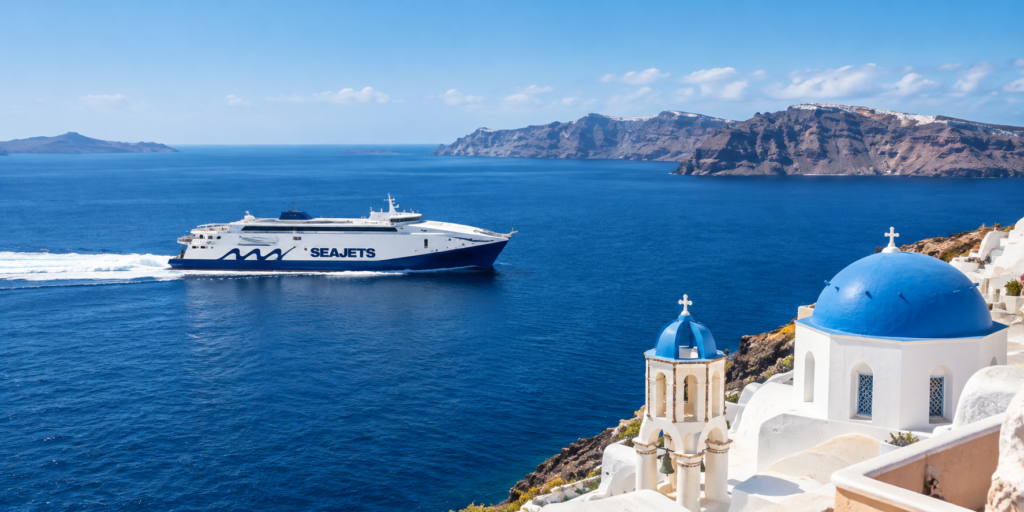
Ferries are an essential part of many Greek holidays, but they can add up if you visit several islands.
The final price depends on:
- The route and distance.
- The ferry operator and vessel.
- Whether you choose a conventional or high-speed ferry.
- The travel date and availability.
- Whether you bring a car.
- Whether you book a cabin or additional services.
A shorter ferry journey may cost relatively little, while a longer route or a high-speed service can be considerably more expensive. Check current fares and timetables before building your itinerary.
For many first-time visitors, choosing one island and exploring it properly is a better-value option than trying to visit three or four islands in a week.
Should you rent a car in Greece?
A rental car can be useful for exploring rural villages, remote beaches and archaeological sites that are difficult to reach by public transport.
However, include the full cost when comparing options: rental fees, fuel, insurance, parking and any applicable tolls. On islands with reliable buses and walkable towns, you may not need a car for the entire stay.
If you plan to explore the Peloponnese or other mainland regions, a car can offer much greater flexibility.
5. Sightseeing and activities: what should you budget?
Greece offers a wide range of experiences, from free beach days and village walks to world-famous archaeological sites and private guided excursions.
Here are some broad planning allowances:
| Activity | Suggested budget |
|---|---|
| Exploring a town or village on foot | Free |
| Beach day at a public beach | Free, excluding transport and optional services |
| Museum or archaeological site | Often €5–€30, depending on the site |
| Boat excursion | Often €30–€100+ |
| Guided walking tour | Often €20–€70+ |
| Private guided experience | Varies substantially by duration and group size |
These are indicative ranges only. Check official ticketing platforms for current entrance fees, timed-entry requirements, seasonal opening hours and any special restrictions.
Which Greek experiences are worth prioritising?
If this is your first visit, consider combining a few essential experiences with time to enjoy everyday Greece.
- Visit the Acropolis and the Acropolis Museum in Athens.
- Explore a traditional neighbourhood and enjoy a meal at a local taverna.
- Spend time at a beach or coastal village.
- Visit an archaeological site or historic town outside the capital.
- Join a food tour, cooking class or local cultural experience if it interests you.
A well-planned guided experience can add context and help you discover places you might otherwise overlook. It is worth comparing what is included, the group size and the length of the experience before booking.
6. Is Greece expensive compared with other European destinations?
Greece can be good value, but it is not uniformly inexpensive.
The mainland, smaller islands and shoulder-season destinations can offer excellent value. Meanwhile, high-demand locations such as Santorini and Mykonos can be expensive, particularly for accommodation during peak summer.
Your choice of destination can matter as much as your overall travel style.
For example, compare two possible holidays:
Holiday A: Athens and the Peloponnese
- A comfortable hotel or guesthouse.
- Local tavernas and regional food.
- Archaeological sites, historic towns and coastal scenery.
- A road trip or selected public transport journeys.
Holiday B: Santorini and Mykonos in August
- Accommodation in highly sought-after areas.
- Inter-island transport.
- Popular restaurants, sunset viewpoints and beach venues.
- Potentially higher prices for transfers and activities.
Both can be wonderful holidays, but their budgets may be very different. If you want to experience Greece without spending too much, consider combining one famous destination with a less expensive region rather than building the entire trip around the most popular islands.
7. When is the cheapest time to visit Greece?
Timing can have a significant effect on the overall cost of your holiday.
Spring: April to June
Spring is a good time for exploring ancient sites, cities and the countryside. April can be quieter, although Easter dates and public holidays may affect availability. May and June often offer a useful balance between pleasant weather and the approaching summer season.
Summer: July and August
This is the busiest period for many islands. Expect strong demand for accommodation, ferries and popular activities. If travelling in summer, book essential arrangements early and compare prices before committing to a route.
Autumn: September and October
September can be particularly attractive for travellers who want warm weather and a more relaxed atmosphere after the busiest summer weeks. October can also be rewarding, especially on the mainland, although some seasonal island services and businesses may reduce their schedules.
Winter: November to March
Winter can offer a more affordable city break or cultural trip, particularly in Athens and other mainland destinations. However, some island accommodation, restaurants and tourist services operate seasonally, so check what will be available before booking.
If your main goal is to explore history, culture and local life rather than spend every day at the beach, travelling outside peak summer can be an excellent choice.
8. Hidden costs to include in your Greece travel budget
A realistic budget should include more than flights and hotels.
Remember to allow for:
- Airport transfers.
- Ferry tickets and baggage-related transport needs.
- Car rental, fuel, parking and tolls.
- Museum and archaeological site tickets.
- Guided tours and excursions.
- Travel insurance.
- Mobile data and roaming.
- Drinks, snacks and occasional taxis.
- Applicable accommodation charges or environmental levies.
- A contingency for unexpected expenses.
Some accommodation charges depend on the property category and travel season. Confirm what is included in your booking and what must be paid separately.
It is also sensible to keep some flexibility in your budget in case of transport changes, particularly if your itinerary depends on multiple ferries or separate flight bookings.
9. How to save money on a trip to Greece without missing out
Saving money does not mean giving up the experiences that make Greece special.
Choose fewer destinations
Changing hotels and islands repeatedly can increase transport costs and leave you with less time to enjoy each place. Choose a route that makes geographical sense.
Travel outside the busiest weeks
If possible, consider May, early June, September or October, taking account of local weather and seasonal transport schedules.
Book accommodation strategically
Compare different neighbourhoods, read recent reviews and check transport links. A hotel slightly outside the busiest centre may provide better value.
Mix free activities with paid experiences
A beach afternoon, a walk through an old town or a visit to a village can be just as memorable as an expensive excursion.
Eat locally
Try bakeries, markets, casual eateries and traditional tavernas rather than dining exclusively in prime tourist locations.
Plan your transport before you book
Compare ferry routes, domestic flights and road travel. Avoid unnecessary backtracking and leave a sensible buffer before international departures.
Prioritise experiences that matter to you
You do not need to book every available excursion. Choose the activities that genuinely interest you, whether that is ancient history, food, nature, sailing or village life.
10. Sample budget: a seven-day holiday in Greece for two
Imagine a couple spending seven days in Greece, visiting Athens and one island during the shoulder season.
Their holiday might include:
- Six or seven nights in a comfortable hotel or guesthouse.
- Breakfasts, casual lunches and traditional taverna dinners.
- Public transport in Athens.
- Ferry tickets to and from one island.
- Several museum or archaeological site visits.
- One organised local experience.
- Airport transfers and miscellaneous expenses.
Depending on the destination, accommodation and activities, a sensible planning budget could be approximately €1,600–€2,800 for two people on the ground, excluding international flights.
This is an illustrative example rather than a fixed quotation. A lower-cost mainland trip may come in below this range, while a holiday in premium island accommodation during August can exceed it substantially.
The best approach is to choose your destinations first, check accommodation and transport availability for your dates, and then calculate the remaining costs.
Frequently asked questions about the cost of visiting Greece
Is €1,000 enough for a week in Greece?
It can be enough for one person on a careful budget, excluding international flights, especially when travelling outside peak season and choosing affordable accommodation. For two people, €1,000 is a tighter budget and may require inexpensive lodging, simple meals and limited paid excursions.
How much money do I need for 10 days in Greece?
As a starting point, allow approximately €500–€900 per person for a budget trip, €1,000–€1,800 for a mid-range trip, or €2,000–€3,500 or more for a comfortable holiday, excluding international flights. Island choices and accommodation can change these totals considerably.
Is Greece cheaper than Italy?
It depends on the cities and regions you compare, your travel dates and the type of holiday you want. Greece can offer good value for food and accommodation in many destinations, but premium island resorts can be expensive. Compare specific destinations rather than assuming one country is always cheaper.
Is Santorini expensive?
Santorini can be expensive, particularly in high summer and in accommodation with caldera views. Travelling in the shoulder season, staying outside the most sought-after areas and comparing transport options can help manage costs.
Can you visit Greece without renting a car?
Yes. Athens and several popular islands have public transport, while many towns and villages can be explored on foot. A car is more useful when your plans include remote beaches, rural areas or several mainland destinations.
What is the best month to visit Greece on a budget?
April, May and October can offer good opportunities for lower-cost cultural and mainland trips, although prices vary with holidays and demand. September may offer a useful balance between warm weather and the busiest summer crowds. Check seasonal ferry schedules if visiting islands outside summer.
Plan your Greek holiday with confidence
The real cost of a trip to Greece depends on the kind of experience you want. You might spend a week exploring Athens and ancient sites, discovering the villages and coastline of the Peloponnese, or combining a historic city with a beautiful Greek island.
The key is to plan around your priorities rather than trying to see everything in one trip. With a thoughtful route, realistic budget and a few well-chosen local experiences, you can enjoy a richer holiday without unnecessary expenses.
At Travel-me.gr, we believe that discovering Greece is about more than ticking destinations off a list. It is about understanding local culture, tasting regional food, meeting people and finding the places that make your journey personal.
Planning a trip to Greece? Explore our travel guides and experiences for inspiration, or contact us to discuss a tailor-made itinerary that suits your interests, travel dates and budget.