For years, a trip to Greece was often planned around a familiar list: see the Acropolis, spend a few days on an island, visit an ancient site, take some photographs, and move on to the next destination.
That kind of travel is still enjoyable, of course. Greece has no shortage of places that deserve to be seen. But something is changing in the way people travel. More visitors are looking beyond the famous landmarks and asking a different question: What can I actually experience here?
Instead of simply visiting a place, travelers increasingly want to understand it, taste it, meet its people, learn something new, and come home with memories connected to a particular moment rather than another photograph on their phone.
This shift is particularly interesting in Greece, where everyday life, food, traditions, landscapes, and local culture can be just as memorable as the country’s archaeological treasures.
From sightseeing to experiencing a destination
There is a difference between seeing Greece and experiencing Greece.
You can walk through the streets of Athens and see the Acropolis from almost every angle. But you can also spend an evening in a neighborhood taverna, order dishes you have never tried before, talk with the people at the next table, and discover how food and conversation shape everyday life.
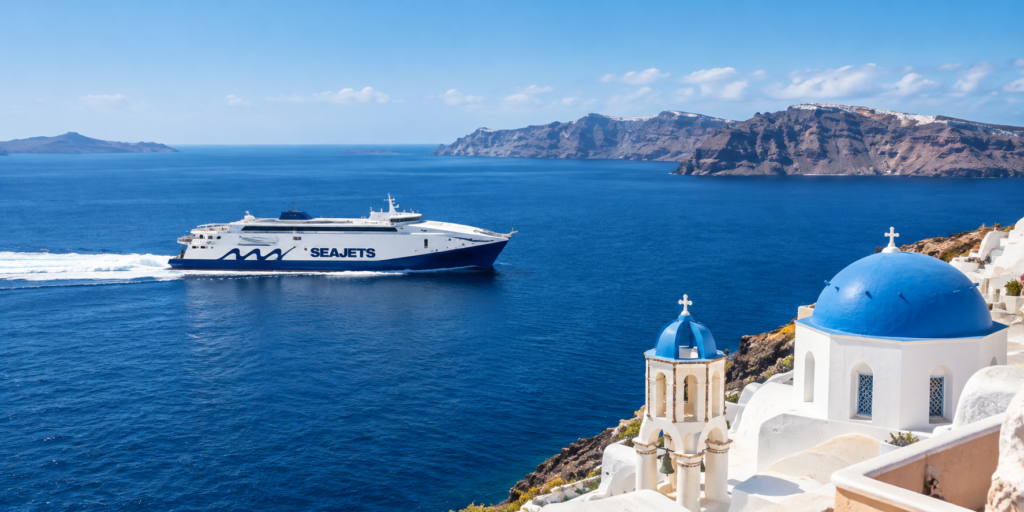
You can visit a Greek island for its beaches. Or you can take a small boat out with a local skipper, swim in a quiet cove, learn about the coastline, and finish the day with a meal in a village where the pace of life has changed very little.
Neither approach is necessarily better. They simply create different kinds of travel memories.
The growing interest in experiences in Greece reflects a broader change in what travelers expect from a holiday. A destination is no longer just a collection of attractions to tick off a list. People increasingly want to participate in it.
Why experiences are becoming such an important part of travel
One reason is simple: travelers have become more curious.
Online guides and social media have made it easier than ever to know what a destination looks like before arriving. The Acropolis, Santorini’s caldera and Mykonos’ famous streets have been photographed countless times.
Knowing what a place looks like before you arrive changes the role of the journey itself.
The question becomes less about discovering a landmark for the first time and more about finding your own connection with the destination.
That might mean taking a cooking class in Crete, joining an olive oil tasting, walking through a mountain village, learning traditional crafts, sailing along a less-visited stretch of coastline, or spending an afternoon with a local producer.
These activities do something that sightseeing alone often cannot: they give travelers a story to tell.
Food is one of the easiest ways to experience Greece
Greek food has always been an important part of the country’s appeal, but travelers are increasingly interested in the stories behind what they eat.
A plate of moussaka in a restaurant is one thing. Learning how local ingredients are selected, visiting a market, preparing a traditional dish with someone who has cooked it for decades, and then sitting down to eat it is something else entirely.
Across Greece, food experiences can be remarkably different from one region to another.
Crete has its own culinary traditions and products. The Cyclades have their island ingredients and recipes. Northern Greece has influences that reflect its different history and geography. The Peloponnese has an abundance of olive oil, citrus, wine and other agricultural products.
For visitors, these differences create opportunities to explore Greece through taste rather than simply through sightseeing.
And often, food provides a natural introduction to local culture. A meal can lead to a conversation. A conversation can lead to a recommendation for a village, a beach, a festival or a small family-run business that never appeared on the original itinerary.
Experiences in Greece go beyond the islands
The popularity of the Greek islands can sometimes make it seem as though Greece begins and ends with the sea.
But some of the most interesting experiences in Greece can be found away from the country’s best-known island destinations.
The mainland offers mountains, forests, rivers, archaeological sites, traditional villages and landscapes that are very different from the postcard image of Greece.
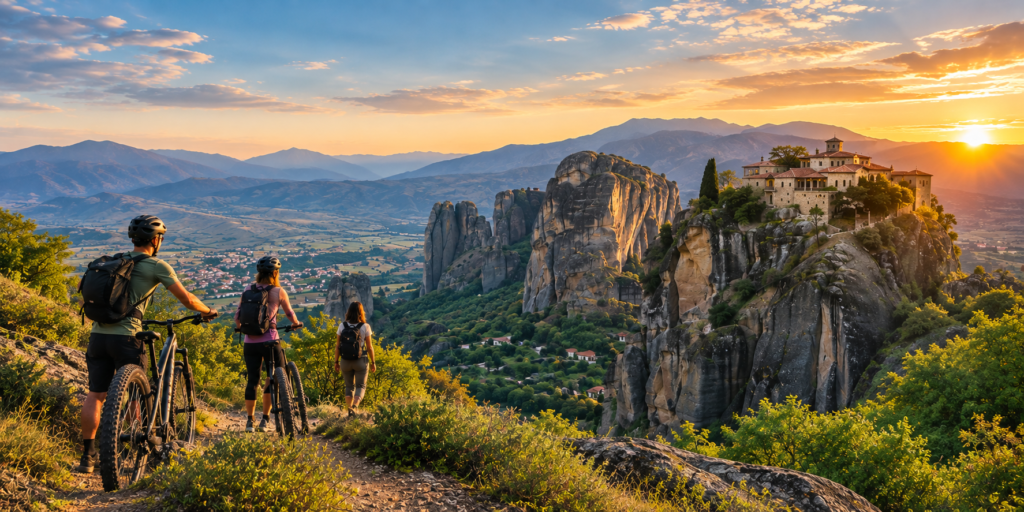
Travelers can explore Zagori and its stone villages, hike in mountain areas, discover the Peloponnese by road, visit wineries, explore lesser-known archaeological sites, or spend time in northern Greece, where the landscape and cuisine offer a very different perspective on the country.
This is another reason experience-based travel is becoming more popular. It encourages visitors to look beyond the most recognizable destinations.
Instead of asking, “Which famous place should I visit?”, travelers are increasingly asking, “What can I do here that will help me understand this place?”
The appeal of meeting local people
Perhaps the most valuable part of an experience is the human element.
A monument can tell you something about history. A museum can provide context. A beautiful landscape can stay in your memory for years.
But meeting someone who lives in the destination can change the way you understand all three.
A local guide explaining the history of a neighborhood can point out details that a guidebook might overlook. A farmer can explain why a particular olive variety matters to the region. A fisherman can describe how the sea has shaped the community. A winemaker can explain why the landscape affects the grapes.
These encounters don’t need to be elaborate or staged. Sometimes a short conversation over coffee is enough to make a place feel more familiar.
That sense of connection is one of the reasons travelers remember experiences long after they have forgotten the names of individual sights.
A slower approach to Greek travel
Experience-based travel also fits naturally with the growing interest in slower tourism.
Instead of trying to visit five destinations in a week, some travelers are choosing to stay longer in one area and explore it properly.
They might spend several days in one village, rent a car and follow smaller roads, return to the same café, visit a local market, take a hike, and have enough time to change their plans when a local recommendation sounds interesting.
Greece is particularly well suited to this style of travel.
Its geography makes it possible to combine different experiences within relatively small areas. A day can begin with a swim and end in a mountain village. A city break can include food, history and contemporary culture. A stay in a rural area can combine hiking, local cuisine and visits to small producers.
The important part is leaving enough room in the itinerary for these experiences to happen.
Travelers want memories, not just photographs
There is nothing wrong with taking photographs. Greece is an exceptionally photogenic country, and its historic sites and landscapes are part of what makes it such a popular destination.
But photographs are increasingly only one part of the travel story.
People want to remember the taste of a meal they learned to cook. They want to remember the sound of a village square late at night. They want to remember swimming somewhere they reached by boat, learning about wine from a producer, walking through an unfamiliar landscape, or hearing a local story that changed how they looked at a place.
These memories are harder to reproduce because they belong to the traveler.
That is perhaps the biggest attraction of experience-based tourism: the experience cannot simply be copied from someone else’s itinerary.
What this means for the future of travel in Greece
As travelers become more interested in experiences, destinations and tourism businesses have an opportunity to offer something beyond conventional sightseeing.
That does not mean abandoning Greece’s famous landmarks. The Acropolis, ancient Olympia, Delphi, Knossos and countless other sites remain essential parts of the country’s cultural heritage.
Instead, they can become starting points.
After visiting an archaeological site, a traveler might explore the surrounding region, meet local producers, try regional food or follow a walking route that reveals another side of the area.
The future of travel may be less about choosing between sightseeing and experiences and more about combining them.
Visitors can come to Greece to see its famous places, but they can also stay long enough to understand something about the places they are visiting.
And that distinction matters.
Because years after a holiday ends, travelers may not remember every monument they photographed or every street they walked down. They are much more likely to remember the evening they sat around a table with strangers who became friends, the meal they learned to prepare, the road they took because a local recommended it, or the moment they realized that Greece was much more than the destination they had expected.
That is where the real value of experiences in Greece lies: not simply in doing more, but in experiencing a place more deeply.
Ready to join the elite group of travelers discovering Greece on their own terms? We invite you to explore our bespoke travel packages for more inspiration. If you desire a personalized plan, please contact our luxury travel experts today.
Before you book your session, make sure to check the weather forecast for Greece to ensure a clear sky